

Why Does My Product Look Perfect In-Store But Not When It Gets Home?
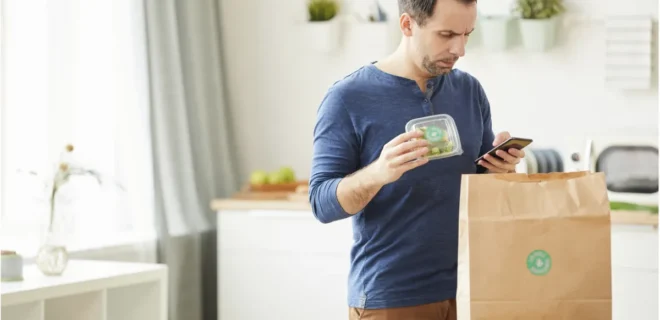
It’s one of the most frustrating disconnects in the food business. Your product looks flawless in the case, crisp, fresh and appetizing. The customer takes it home, opens it up, and… it’s not the same. The cookies have crumbled. The seal has slumped. The color’s gone dull. The thing that sold itself on the shelf doesn’t deliver at the table.
That gap between store and home isn’t just disappointing, it’s expensive. A customer who feels let down once is a customer who hesitates next time or doesn’t reach for your product at all.
What happens between the shelf and the counter and why great shelf presentation isn’t enough
The journey home is rougher on your product than it looks. A grocery bag gets jostled, set down hard, left in a warm car, tipped on its side. For the few minutes or hours between checkout and kitchen, your product is on its own and if the packaging isn’t built for that stretch, quality slips fast.
It’s easy to optimize for the shelf, because that’s the moment you can see. You design the package to look perfect in the case, and it does its job, it gets picked up. But the sale isn’t really won at the store, it’s won at home when the customer experiences what they paid for and decides whether to buy it again.
Packaging that only performs at the point of display is solving half the problem. The other half is protection: keeping the product intact, fresh, and true to its shelf promise all the way through that last uncontrolled leg of the trip.
What are the solutions?
Structural integrity. A container that resists crushing and holds its shape protects delicate products: think baked goods, layered items, anything that suffers when it’s jostled.
Seal performance. A seal that stays taut and secure doesn’t just preserve freshness; it preserves the look of freshness. A slumped or compromised seal signals “old” even when the product is fine.
The right barrier materials. Oxygen and moisture don’t stop working the moment a product leaves the store. Materials matched to your product keep color, texture, and freshness holding steady well past checkout.
Shelf-life technology. Approaches like Modified Atmosphere Packaging extend the window in which your product looks and tastes its best so “fresh at the store” still means “fresh at home.”
Your product should be as convincing on the kitchen counter as it was when it was purchased. When it isn’t, the packaging is usually the reason and it’s a solvable one. The goal isn’t just packaging that sells, it’s packaging that keeps the freshness from store to consumption.
At Teinnovations, that’s a problem that we love to solve, building packaging that protects your product through the whole journey, so what your customer brings home is exactly what won them over in the store. Bring us the problem. We’ll bring the solution.
Schedule a packaging consult today.
< Back To News