

Resources
Stay up to date with Teinnovations events and helpful articles.
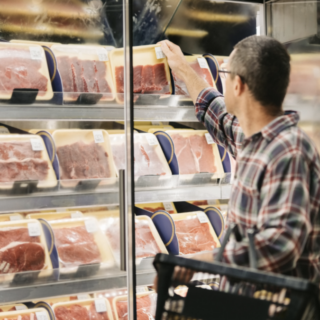
Why Food Safety Starts With Your Packaging
Ask someone what keeps food safe and they’ll talk about the kitchen, the cooking temperature, the people handling it, the inspections. And they’re right,…
Read More
Planning Your Fall and Holiday Production? Your Packaging Decisions Start Now.
Right now, in the last stretch of summer, the fall and holiday rush probably feels like it’s still a good way off. But if…
Read More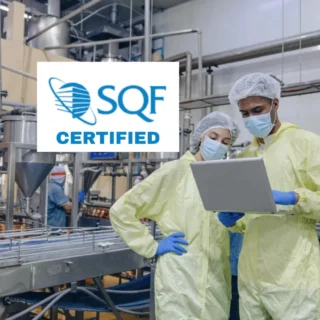
What Is SQF and Why Does It Matter When You Choose a Packaging Partner
If you’ve spent any time around the food industry, you’ve probably seen “SQF certified” on a supplier’s website and moved along without being totally…
Read More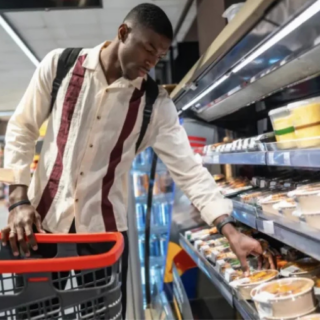
Grab-and-Go Is Booming, Is Your Packaging Built for It?
The grab-and-go section barely existed in most stores a couple of decades ago. Now it’s prime real estate. Refrigerated cases full of single-serve meals,…
Read More
Why Does My Product Look Perfect In-Store But Not When It Gets Home?
It’s one of the most frustrating disconnects in the food business. Your product looks flawless in the case, crisp, fresh and appetizing. The customer…
Read More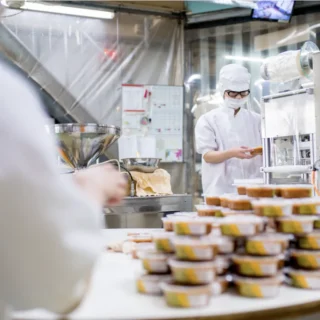
How Do I Scale My Packaging as My Business Grows?
Every growing food business hits the same wall. The packaging that worked when you filled orders by hand starts to buckle under real volume.…
Read More
Packaging for the Impulse Buy: Why Presentation Sells
Most purchase decisions happen in seconds. Here’s what that means for your packaging. Think about the last thing you bought that wasn’t on your…
Read More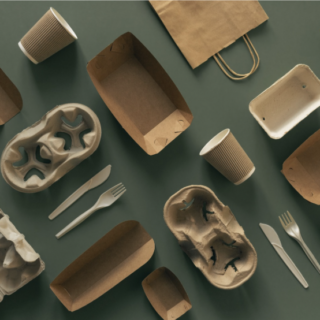
Can Sustainable Packaging Actually Keep Food Fresh?
Short answer: yes, but only when it’s done right. There’s a persistent myth that going green means giving something up. That sustainable packaging can’t…
Read More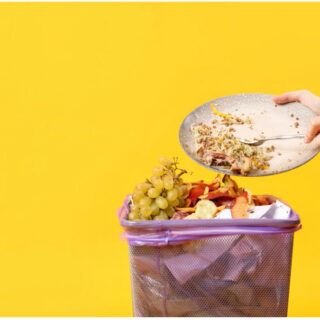
Why Does My Food Go Bad So Fast — And What Can Actually Be Done About It?
You packed your product fresh. Your customer put it straight in the fridge. And somehow three days later, they say it’s already getting funky.…
Read MoreThe ROI of Packaging Automation: When Does Investment in a Sealing Machine Pay Off?
Every food packaging operation reaches a point where manual processes start costing more than the equipment that would replace them. The question isn’t whether…
Read More