

How Does Food Stay Fresh Without Preservatives? The Science Behind It
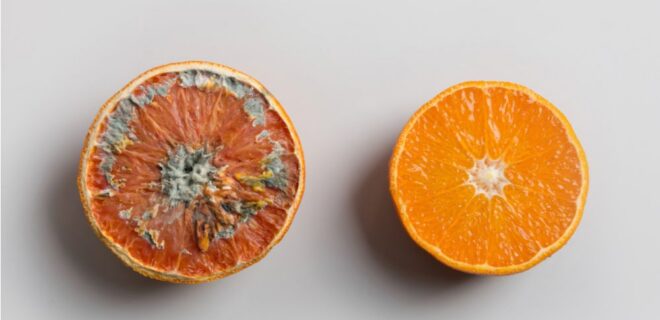
Walk down any grocery aisle and you’ll see it everywhere: “no preservatives” “all natural.” But if there’s nothing added to keep food fresh, how does it actually last? The answer is more fascinating than you might think.
What actually makes food spoil?
To understand preservation, you have to understand spoilage. Three main forces cause food to break down: oxygen, moisture, and microorganisms.
Oxygen drives oxidation which is the process that turns fats rancid and fades color/flavor. Moisture creates the conditions that mold and bacteria need to thrive. Microorganisms, which are naturally present in nearly all food, multiply rapidly when conditions are right. Slow down or interrupt these three forces, and you slow down spoilage-no preservatives required.
The science of preservative-free freshness
Modified Atmosphere Packaging (MAP): This is one of the most powerful tools in modern food preservation. Inside a sealed package like a tray or deli container, the normal air(which is about 21% oxygen) is replaced with a carefully calibrated mix of gases, often nitrogen and carbon dioxide. With less oxygen available, oxidation slows dramatically and many spoilage microorganisms simply can’t grow. The result is significantly longer shelf life, achieved through physics and chemistry rather than chemical additives.
Barrier/Breathable Packaging: In some cases, the packaging itself is the hero. High barrier materials like foil pouches provide an exceptional barrier against the three biggest threats to freshness which are oxygen, moisture, and light. Unlike many clear plastics, foil is virtually impermeable, meaning it keeps oxygen and humidity out while locking freshness in. That’s why you’ll find them used everywhere from coffee and ready meals to pet food and nutritional products. Breathable packaging and film allow for an exchange of gases, so products like produce and seafood can maintain their ideal environment inside the package.
High Pressure Processing (HPP): Sometimes the most powerful preservation tool isn’t a gas or a material, it’s pressure. High Pressure Processing takes already-packaged food and subjects it to intense cold water pressure, often around 87,000 pounds per square inch. That pressure inactivates the bacteria, yeasts, and molds that cause spoilage and foodborne illness, all without heat, additives, or preservatives. Because it happens after the product is sealed in its final packaging, there’s no risk of recontamination, and because it skips the heat, the food keeps its fresh taste, color, and nutritional value. It’s why you’ll find HPP behind so many cold-pressed juices, fresh dips, deli meats, and ready-to-eat meals on the shelf today. It gives you a clean label, extended shelf life and genuinely fresh product, all at once. One important detail: HPP only works with the right packaging, since the process needs flexible, high-barrier materials that can stand up to all that pressure.
Temperature control: It’s the oldest trick in the book for a reason. Cold dramatically slows microbial growth and chemical reactions. Modern cold chains keeping products at precise temperatures from production to purchase, remain one of the most effective preservation methods available.
Sometimes, a little help from nature: Beyond packaging, some producers use naturally derived approaches like fermentation, which creates an environment hostile to harmful bacteria, or natural antimicrobials drawn from plants. These work alongside good packaging rather than replacing it.
Why this matters more than ever
Today’s consumer wants it all: clean labels, longer freshness, low price, less waste, and lower environmental impact. For a long time, those goals seemed to be in tension with one another. However, advances in packaging science have made it possible to deliver on all of them at once-keeping food fresh longer without adding a single preservative, while also reducing the food waste that comes from premature spoilage. Keeping food fresh without preservatives isn’t magic, it’s science. By controlling oxygen, moisture, temperature, and the microbial environment, modern packaging technology can extend shelf life naturally.
At Teinnovations, this is the work we love. From Modified Atmosphere Packaging to high-barrier foil pouches and custom container solutions, we help producers keep their products fresher for longer.
TAGS: food spoilage, MAP packaging, modified atmosphere packaging
< Back To News